
Languedoc–Roussillon Wine Region: Climate, Soils, and Grapes
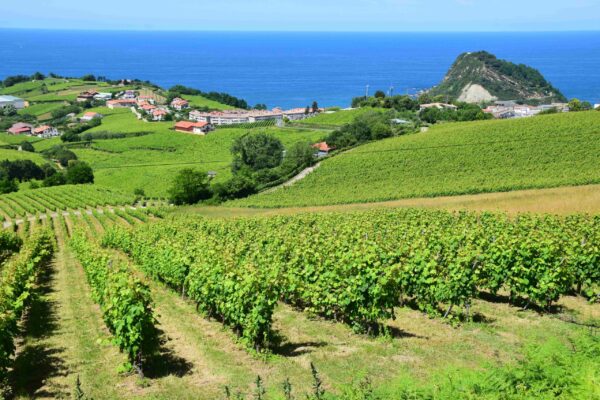
Stretching along the Mediterranean coast in southern France, the Languedoc–Roussillon wine region forms one of the largest vineyard zones in Europe. The Languedoc–Roussillon wine region developed across plains, hills, and mountain foothills where a warm climate and mixed soils allow cultivation of many grape varieties. Because the territory is very large, wine styles vary strongly between coastal areas and inland valleys.
Historical Development of the Languedoc–Roussillon Wine Region
Wine production in the Languedoc–Roussillon wine region began during ancient Mediterranean trade periods. Greek merchants arriving along the coast introduced early vineyard cultivation techniques. Roman expansion later turned the area into an important agricultural province, supplying wine to cities across the empire.
Through the Middle Ages monasteries preserved vineyard knowledge and maintained agricultural systems. Wine from southern France traveled through ports along the Mediterranean, reaching markets in Spain and Italy. During the nineteenth century the region expanded vineyard plantings dramatically. Large quantities of simple table wines were produced to supply industrial cities of northern France.
The phylloxera crisis later devastated vineyards across the Languedoc–Roussillon wine region. Growers replanted vines using resistant rootstocks and gradually shifted toward better–quality grape varieties. During the twentieth century, new appellation rules helped define geographic zones and encouraged producers to focus on regional identity and soil expression.
Geography and Soils of the Languedoc–Roussillon Wine Region
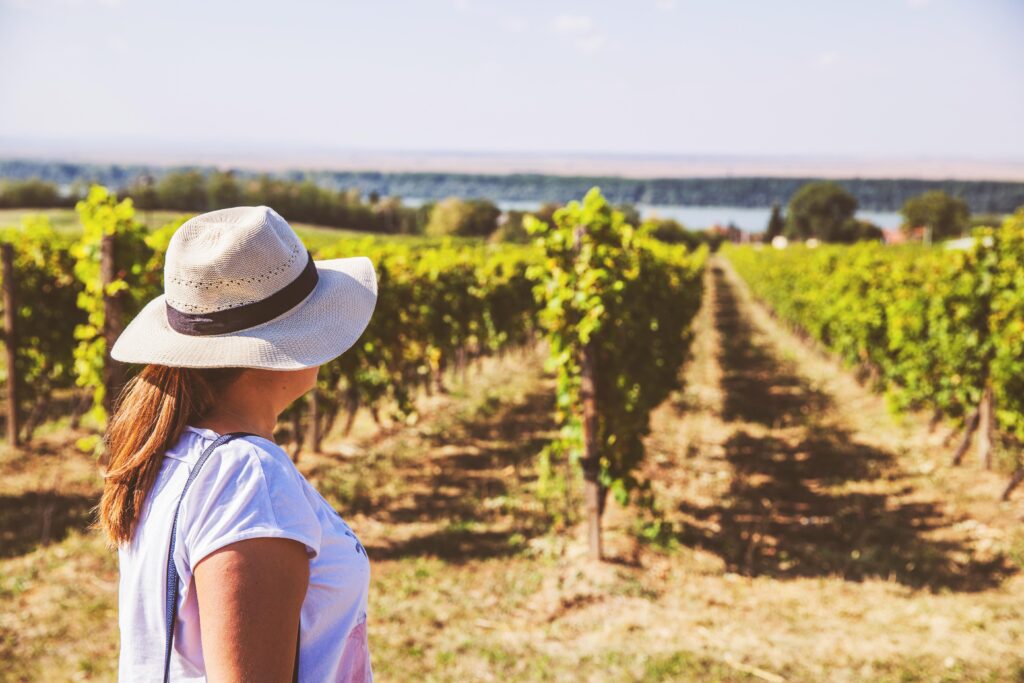
Languedoc–Roussillon wine places go from the Rhône delta in the east to the Spanish border in the west. Vineyard is on coast plain, limestone plateaus, and rocky small mountains of the Pyrenees. This land difference makes many small climates for many grape types.
Soil is not the same in all places. Limestone is in many upland places and makes a mineral taste in wine. Clay and sandstone are in the valley where water stays more. Near the coast, sandy soil lets vines grow in hot sea air. Some hillsides have schist and slate; they keep heat in the daytime.
Common grape varieties cultivated in the Languedoc–Roussillon wine region include:
- Grenache–a widely planted red grape producing warm and rich wines
- Syrah – gives darker color and spice character to blends
- Carignan – traditional variety known for strong structure
- Mourvèdre – contributes tannin and aging potential
Climate Patterns in the Languedoc–Roussillon Wine Region
Mediterranean climate strongly influences agriculture across the Languedoc–Roussillon wine region. Summers are usually hot and dry, while winters remain mild compared with northern France. Long sunshine hours help grapes reach full ripeness during harvest season.
Wind systems also make effects for vineyards. Two big winds are most in the region. The Tramontane blows from the northwest, bringing dry and cool air. Other winds, like Marin, come from the Mediterranean, bringing wet air to the inside hills. These winds go round and help stop fungus disease but sometimes make young vines feel stress.
Important climate characteristics affecting vineyards include:
- High annual sunshine levels supporting full grape maturation
- Periods of drought during summer months
- Strong regional winds improving vineyard ventilation
- Moderate winter temperatures protecting vines from severe frost
Wine Styles of the Languedoc–Roussillon Wine Region
Because grape varieties and climates vary widely, wines from the Languedoc–Roussillon wine region show many expressions. Red wines dominate production and often rely on blends combining Grenache, Syrah, Mourvèdre, and Carignan. These wines frequently display ripe fruit flavors, herbal aromas and moderate tannin structure.
White wine also is in many places where limestone soil and cooler hills make fresh acid. Grapes like Grenache Blanc or other Mediterranean types make dry and nice–smelling wine. Rosé wine is still popular too, mostly in coastal places where light wine goes good with hot weather and local food.
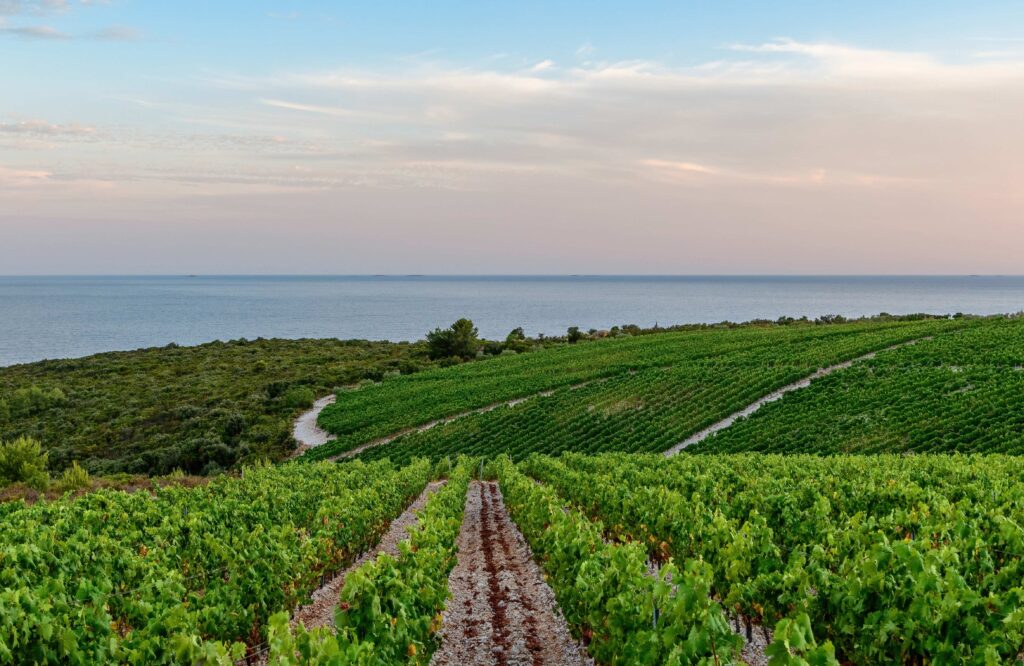
Many vineyards are located on hillsides where soils drain quickly and sunlight exposure is high. Growers sometimes plant vines at higher elevations to balance heat and preserve acidity. Modern winemaking research studies these microclimates to better understand how landscape conditions influence grape ripening and flavor development.