
Loire Valley Wine Region: Geology, Grapes, and History
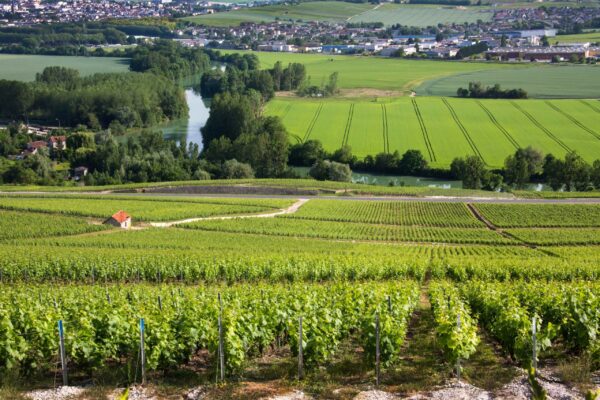
Between Atlantic winds and long river landscapes lies the famous Loire Valley wine region in France. An area known for light wines, old castles, and soils very different from west to east. The Loire Valley wine region developed over many centuries, where geology, climate, and human farming habits slowly shaped styles that today many wine drinkers recognize easily.
History of the Loire Valley Wine Region
Wine growing near the Loire River started already in the Roman period. Later monasteries and small feudal domains expand vineyards along the valley. River transport made trade easier because barrels could travel from inland towns to Atlantic ports. During the medieval centuries, white wines from areas like Anjou or Touraine became known in royal courts.
By the seventeenth and eighteenth centuries merchants ship large quantities of Loire wines to northern Europe. Dutch traders especially influence drainage projects and vineyard organization. In the nineteenth century, railways connect the region more strongly with Paris markets. The phylloxera crisis later destroyed many vineyards, but replanting with American rootstocks saved production. The modern appellation system introduced in the twentieth century defines geographic limits and typical grape varieties for each zone.
Geology and Soils of Loire Valley Wine Region
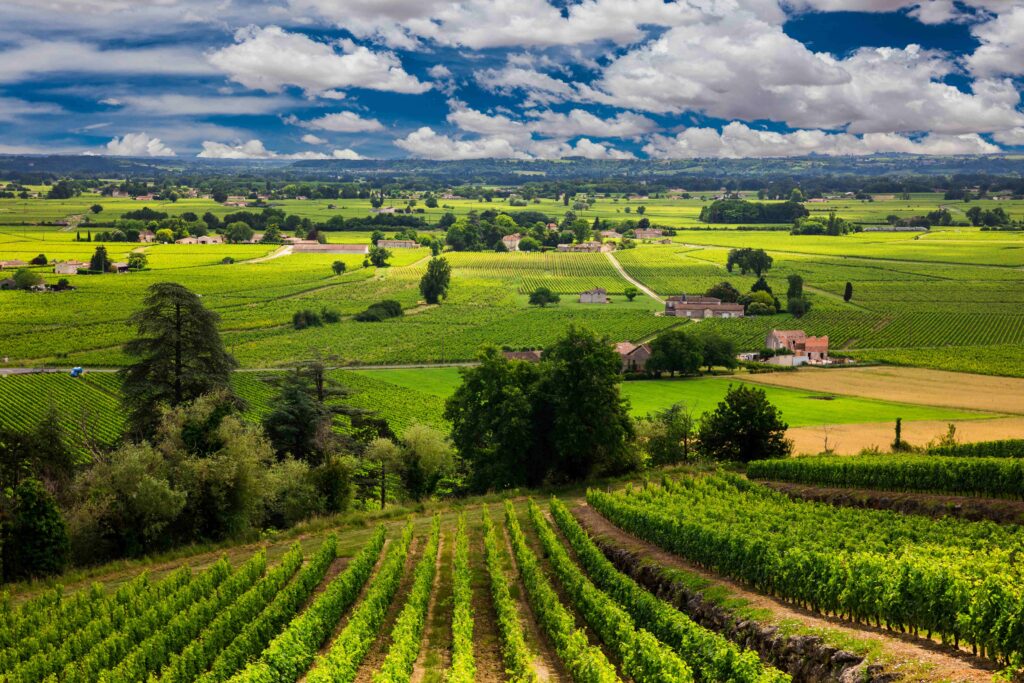
Soils in the Loire Valley wine region change many times along the river length. Western zones near the Atlantic show sandy and gravel sediments left by ancient sea movements. Moving east, limestone plateaus and chalk layers similar to the Paris Basin structure appear. Tuffeau stone, a soft limestone, was also used for building many castles carved partly inside hills.
Further east around Sancerre and Pouilly, the ground is dominated by flint and marl. These soils store heat and influence mineral taste, often described by tasters. Different geology explains why wine styles change strongly even if climate distance is small. Growers traditionally plant varieties that match each soil type.
Several grape varieties define the identity of the Loire Valley wine region:
- Sauvignon Blanc – dominant in Sancerre and Pouilly, producing sharp aromatic white wines
- Chenin Blanc—a very versatile grape used for dry, sweet, and sparkling styles
- Cabernet Franc – main red variety, especially around Chinon and Bourgueil
- Melon de Bourgogne – grape behind the fresh Muscadet wines near the ocean
Climate and Wine Styles in Loire Valley Wine Region
Climate along the Loire River is mostly temperate but slowly shifts from maritime to continental influence. Atlantic air brings humidity and mild winters in the west. Toward Central Valley, summers are warmer, and autumn fogs appear near riverbanks, helping the development of noble rot for some Chenin Blanc wines.
Because the region is very long, wine styles are extremely varied. Light Muscadet pairs well with seafood from the Atlantic coast. Mineral Sauvignon Blanc from Sancerre often shows citrus and flint notes. Cabernet Franc reds are usually medium-bodied with herbal aromas and bright acidity.
Common wine style groups in the Loire Valley wine region include:
- Dry white wines – crisp acidity often from Sauvignon Blanc or Chenin Blanc
- Sparkling wines – traditional method bottles produced mainly in the Saumur area
- Rosé wines – light-colored, refreshing wines popular during warm months
- Red wines – Cabernet Franc–based wines with fresh structure and moderate tannin
Cultural Landscape and Vineyards of Loire Valley Wine Region
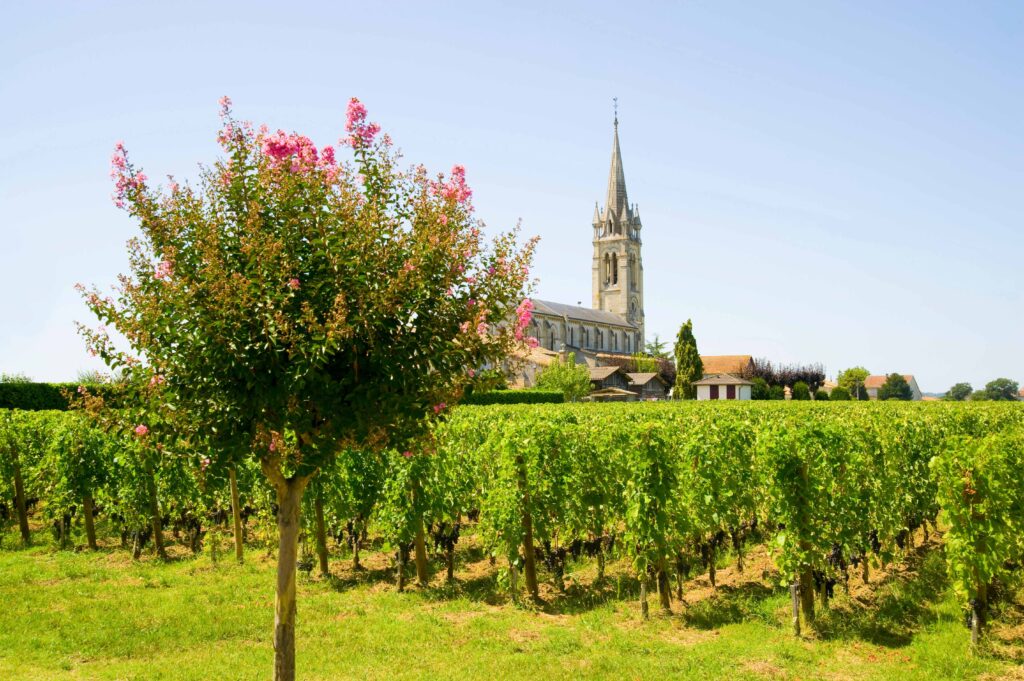
The Loire Valley is also famous for its historic landscape where vineyards mix with villages and large Renaissance castles. Many slopes were planted directly above the river, creating scenic terraces visible from bridges and cycling paths. Underground cellars carved in tuffeau limestone keep a stable temperature useful for aging sparkling wines and storing barrels.
Viticulture today balances tradition and the modern study of soils and climate. Small family domains remain common, though cooperative wineries exist too. Many growers experiment with organic or biodynamic farming to protect river ecosystems and vineyard biodiversity. Tourism also grows because visitors travel between wine towns and castles along the long Loire cycling route.
Understanding the Loire Valley wine region requires looking at river geography, layered geology, and long cultural history together. From ocean-influenced Muscadet vineyards to the limestone hills of Sancerre, the valley acts almost like several regions connected by one river corridor. This diversity explains why wines from the Loire continue to interest students of viticulture and geology.
Researchers often compare Loire soils and climates to understand the relation between rock and flavor perception in wine.
Field studies examine limestone porosity, flint heat storage, and river fog patterns. Such observations help explain differences between nearby appellations and support educational interest in the Loire Valley wine region among geographers, historians, and wine students.
These elements together create one of France’s most studied vineyard landscapes.