
Rhône Valley Wine Region: Geology, Climate, and Grapes
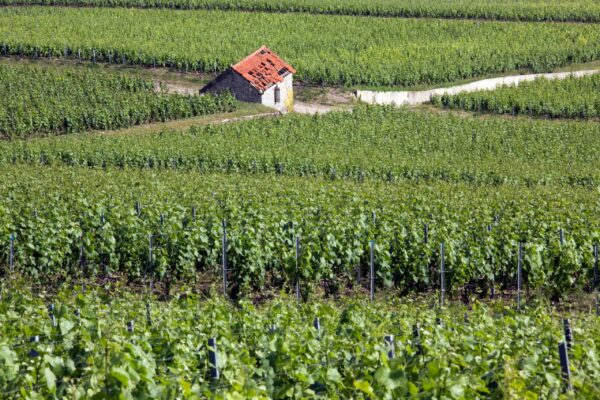
A long corridor of vineyards stretches along the Rhône River in southeastern France. The Rhône Valley wine region developed between mountains, dry winds, and very mixed geology. Because the valley is large and divided into two major parts, the Rhône Valley wine region produces many wine styles–from powerful reds in the south to structured Syrah wines in the north.
Historical Development of the Rhône Valley Wine Region
Wine cultivation in the Rhône Valley wine region dates back to ancient times. Greek settlers near the Mediterranean coast are believed to plant some of the first vineyards. Romans later expanded viticulture along the river valley because the Rhône served as a major trade route between inland Gaul and the Mediterranean Sea.
During the Middle Ages, monasteries maintained vineyards and improved wine techniques. In the fourteenth century the papal court moved to Avignon, increasing demand for high–quality wines from nearby areas. Vineyards around Châteauneuf develop a strong reputation during this time.
In the nineteenth century, the region faced phylloxera disease that destroyed many vines. Growers replanted vineyards with grafted rootstocks resistant to the pest. The modern appellation system introduced in the twentieth century defined official boundaries and rules for grape varieties and production methods.
Geography and Geology of the Rhône Valley Wine Region
The Rhône Valley wine region is divided into two distinct zones–Northern Rhône and Southern Rhône. Geography and geology create clear differences between these parts.
The Northern Rhône is a narrow valley with steep granite slopes rising above the river. Vineyards are often built on terraces supported by stone walls. Granite soils drain quickly and force vines to grow deep roots. This geology works especially well with the Syrah grape variety.
The Southern Rhône shows wider plains and rolling hills. Soils here are more complex–mixtures of limestone, clay, sand, and large rounded stones called galets roulés. These stones store daytime heat and slowly release it during the night, helping grapes ripen in cooler evenings.
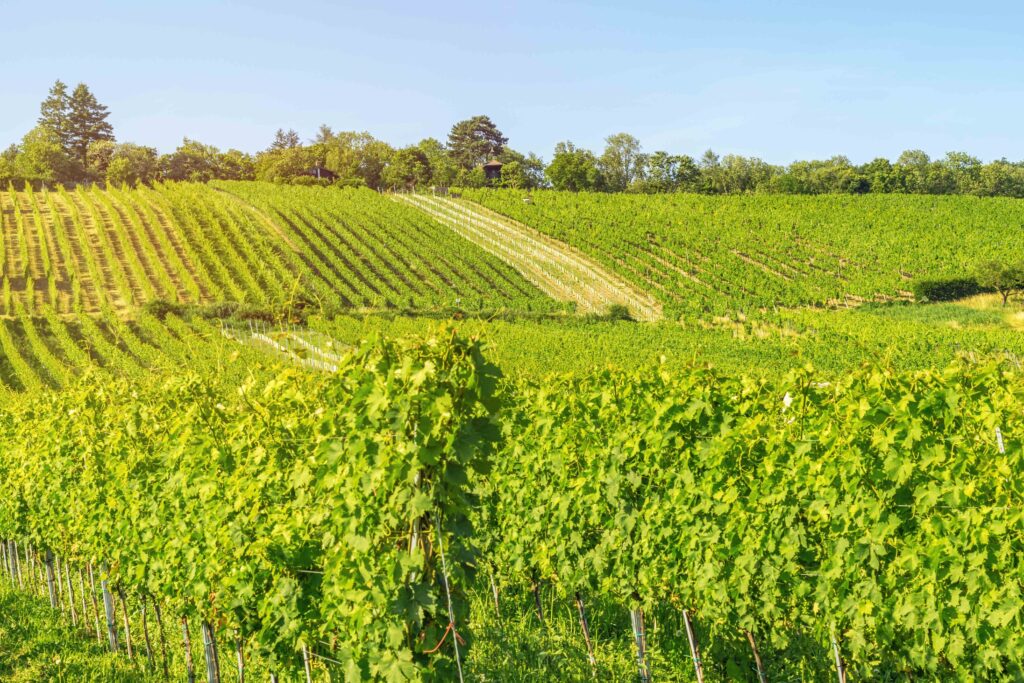
Important grape varieties of the Rhône Valley wine region include the following:
- Syrah – dominant red grape in Northern Rhône, producing dark structured wines
- Grenache–main grape in Southern Rhône, giving body and alcohol to blends
- Mourvèdre – adds tannin structure and aging ability in many southern wines
- Viognier – aromatic white grape known for floral character
Climate Influence in the Rhône Valley Wine Region
Climate strongly shapes wine production along the Rhône corridor. Northern areas experience continental conditions with colder winters and moderate summers. Vineyards there are often planted on steep slopes facing south to capture more sunlight.
Southern areas move closer to a Mediterranean climate. Summers become hotter and drier, allowing grapes to reach higher sugar levels. One natural factor famous in the Rhône Valley wine region is the mistral wind. This strong cold wind blows down the valley from north to south.
The mistral affects vineyards in several ways:
- It dries moisture on vines and helps prevent fungal diseases.
- It cools vineyards during hot summer days.
- It can damage young shoots if wind becomes very strong.
- It clears clouds, giving more sunlight for grape ripening.
Wine Styles of the Rhône Valley Wine Region
Because of climate and geology contrasts, wines from the Rhône Valley wine region show a wide stylistic range. The Northern Rhône focuses mostly on single–variety wines, especially Syrah for reds and Viognier for whites. These wines often show pepper spice, dark fruit aromas, and firm structure.
The Southern Rhône is famous for blended wines. Growers mix several grape varieties to balance alcohol, acidity, and tannin. Grenache usually forms the base, supported by Syrah, Mourvèdre, and other regional grapes. These wines tend to be richer and warmer in character.
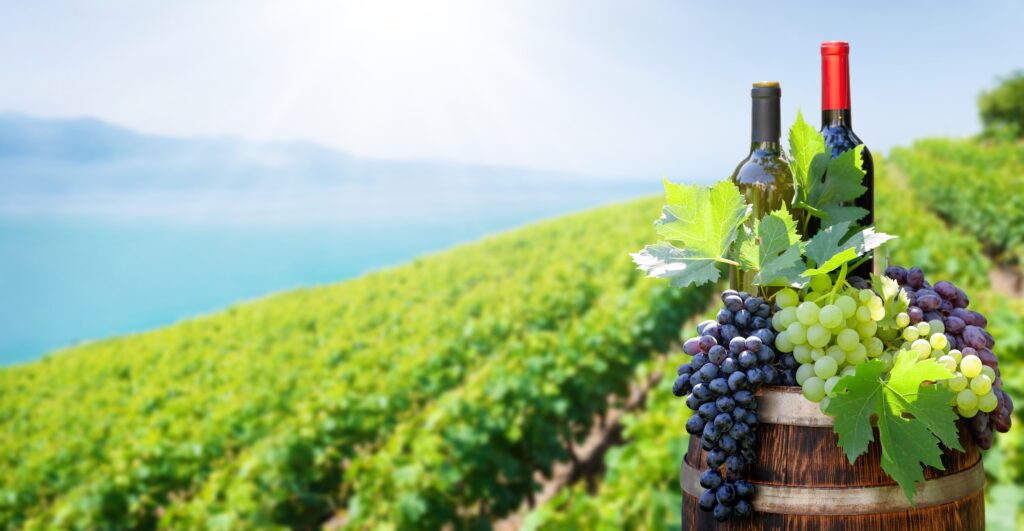
Common wine categories found in the Rhône Valley wine region include:
- Structured red wines from granite slopes in the north
- Full–bodied blended reds from southern villages
- Aromatic white wines based on Viognier or blends
- Rosé wines produced in several southern appellations
Vineyard Landscape and Cultural Importance
The Rhône Valley wine region forms an important agricultural landscape where vineyards shape hillsides and river plains. Stone terraces in the north require constant maintenance because erosion can easily damage steep slopes. In the south many vineyards spread across open plateaus where old villages and small chapels stand between vine fields.
Local traditions are still important for vineyards. Families many times grow the same land for many years. They give knowledge about soil, wind, and grape behavior. Wine cooperatives help small growers who cannot make wine alone.
Today science looks for a relation between Rhône land and wine taste. Granite hills, clay places, and limestone mountains all change water and roots in different ways. Look, soil helps geologists and wine specialists understand how land and grapes work together.
Because of this mix–strong nature, old wine culture, and many rocks–the Rhône Valley wine place stays one of the most complex vineyards in France. People and science come here to see how climate and rocks make wine different in a small distance.